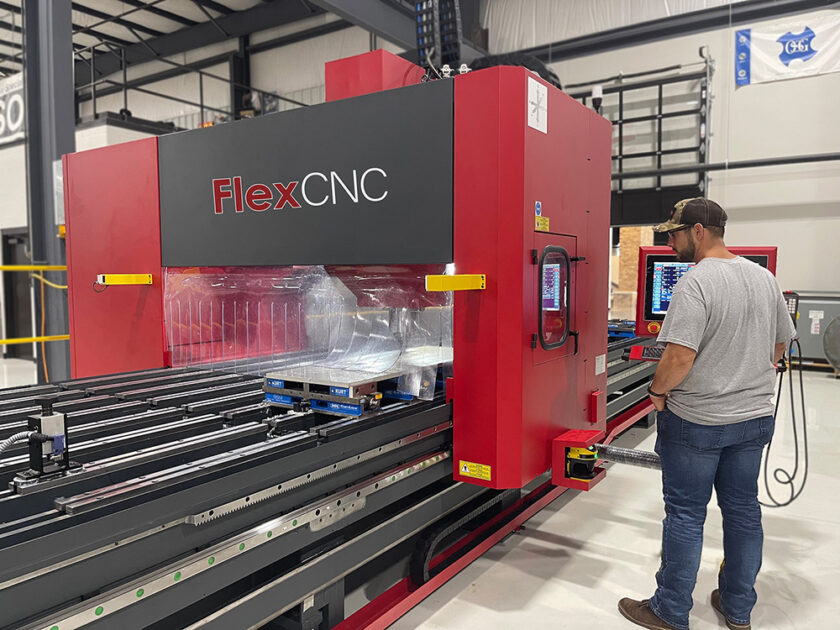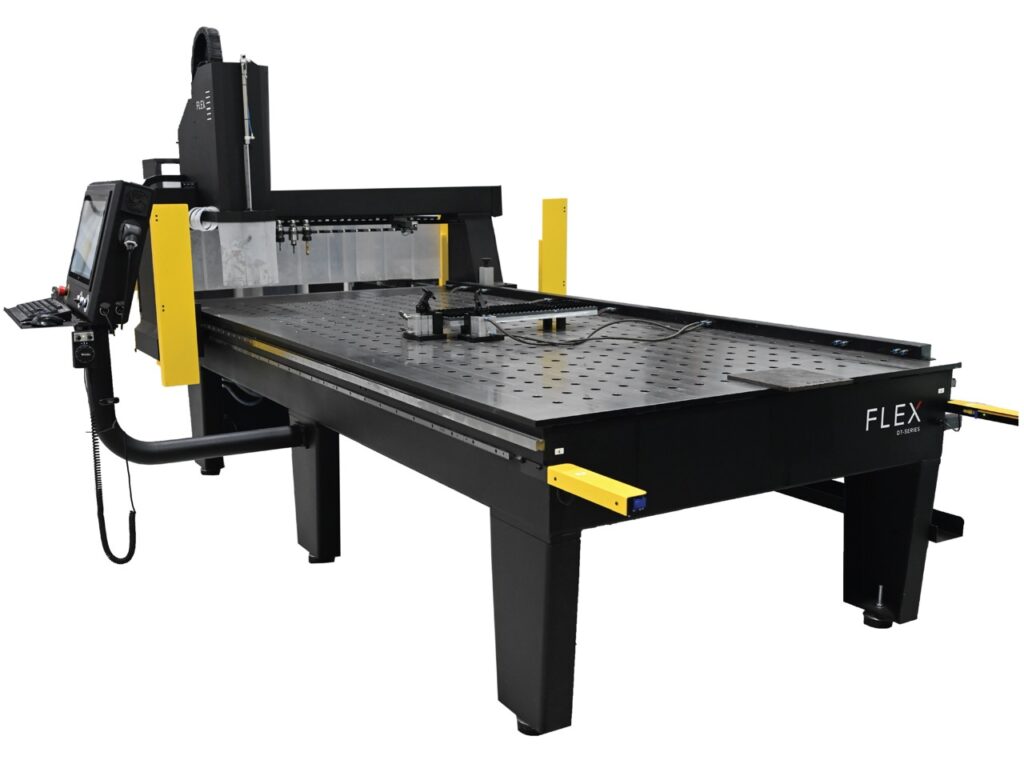
Tube lasers are powerful and efficient machines known for precise cutting of tubes and various long materials. However, their high price and specialization often make them impractical for shops with lower volumes or diverse processing needs. If you’re exploring affordable alternatives to tube lasers, the FlexCNC (long-bed vertical machining center) stands out as a versatile, cost-effective solution.
*subject to credit approval*
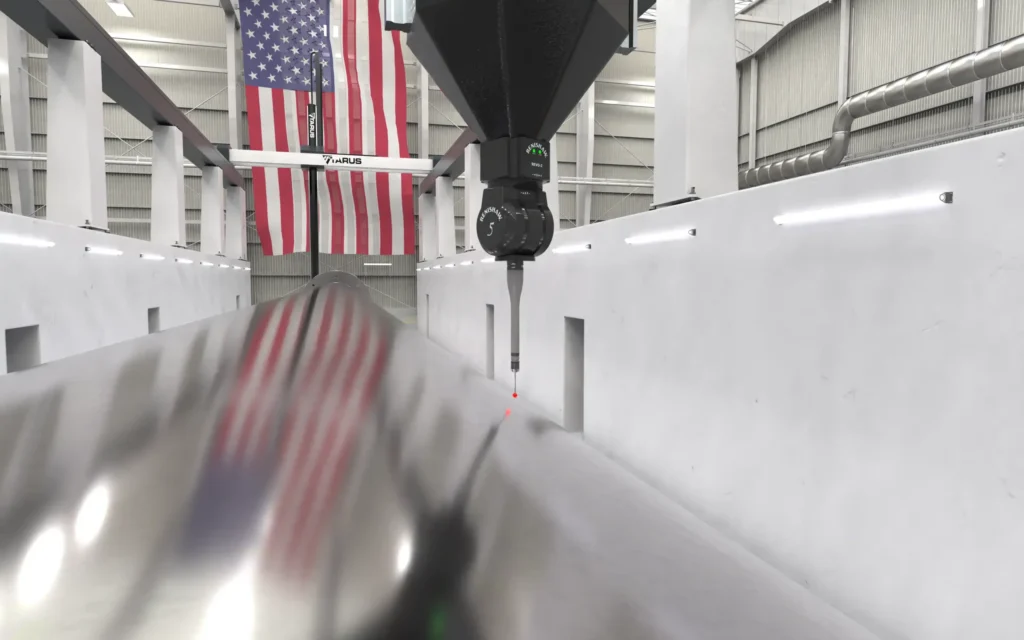
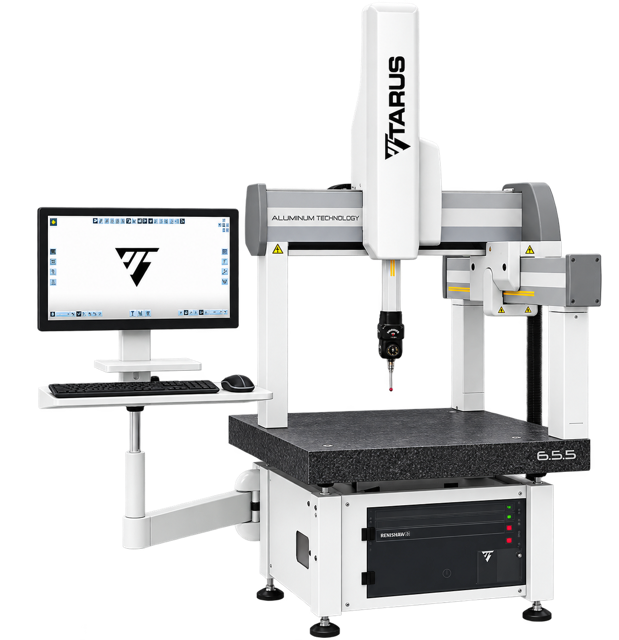
Flex Machine Tools has acquired TARUS, a 57-year-old machine tool manufacturer based in metropolitan Detroit. The acquisition became effective July 1.
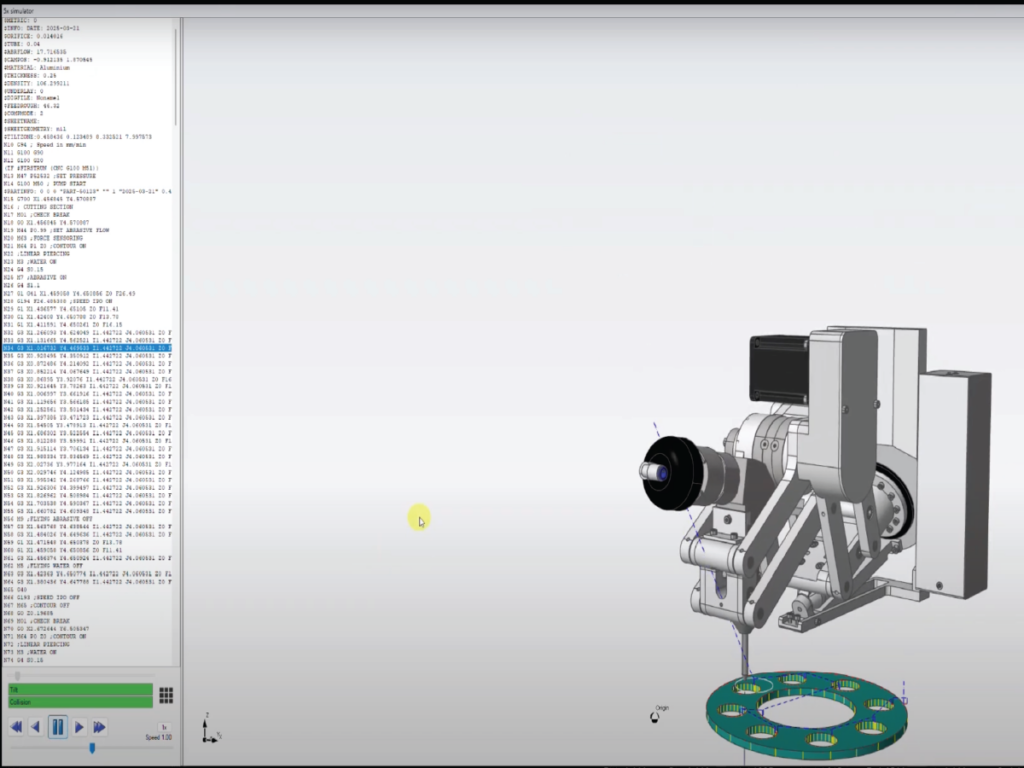
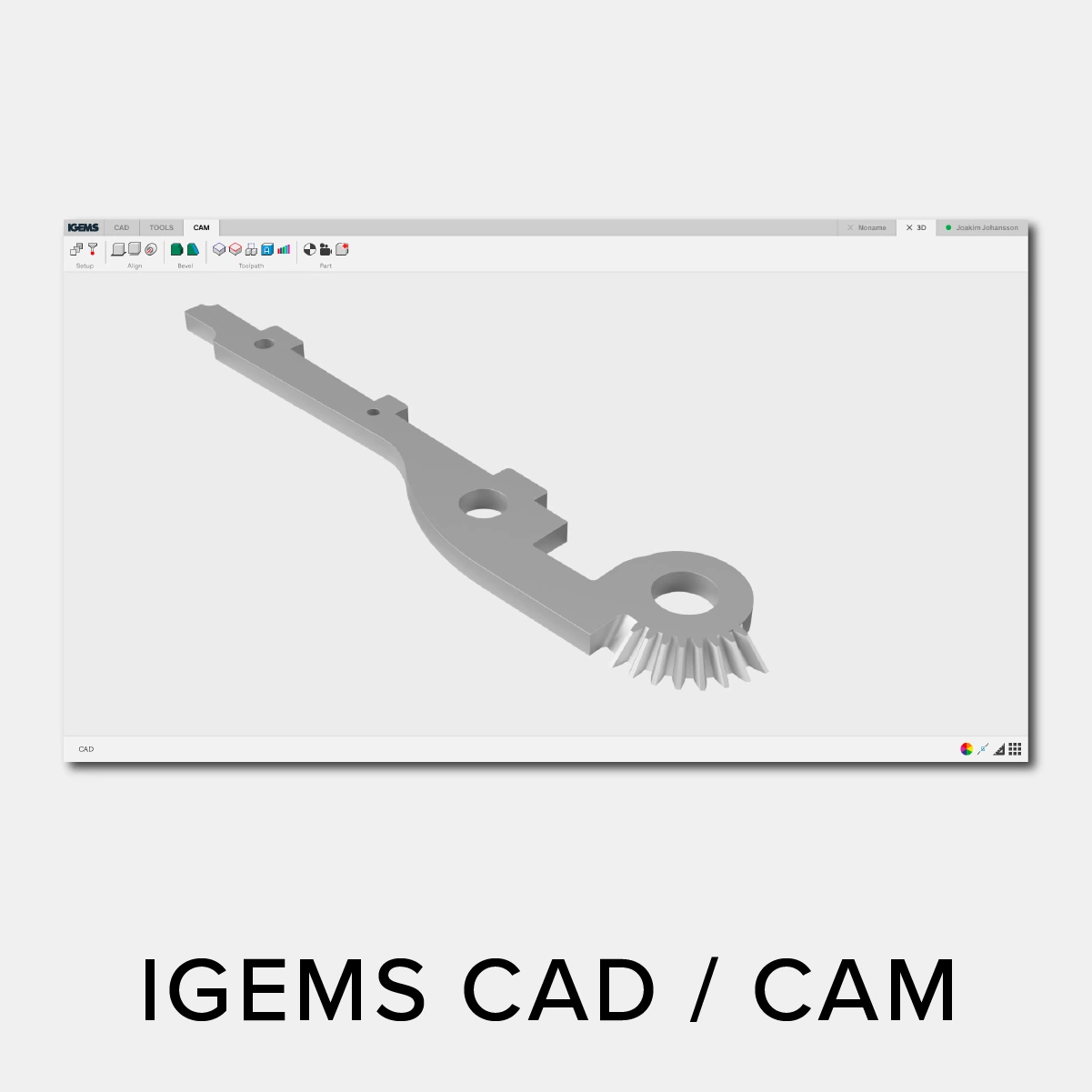
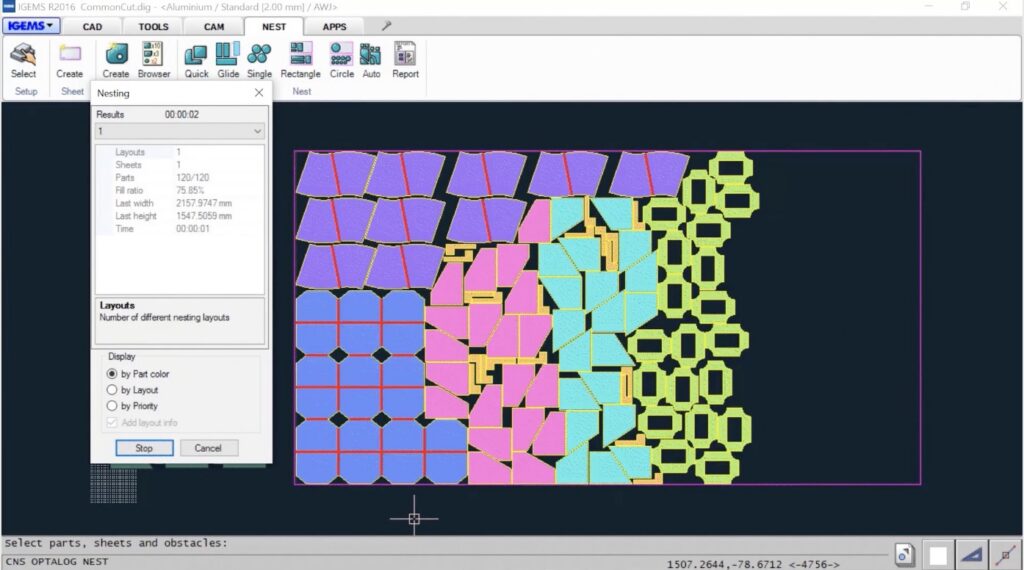
Jason covers the 2D basics of IGEMS software, walking you through the essential steps to program and export a CNC file for your FlexJet Waterjet.
*subject to credit approval*
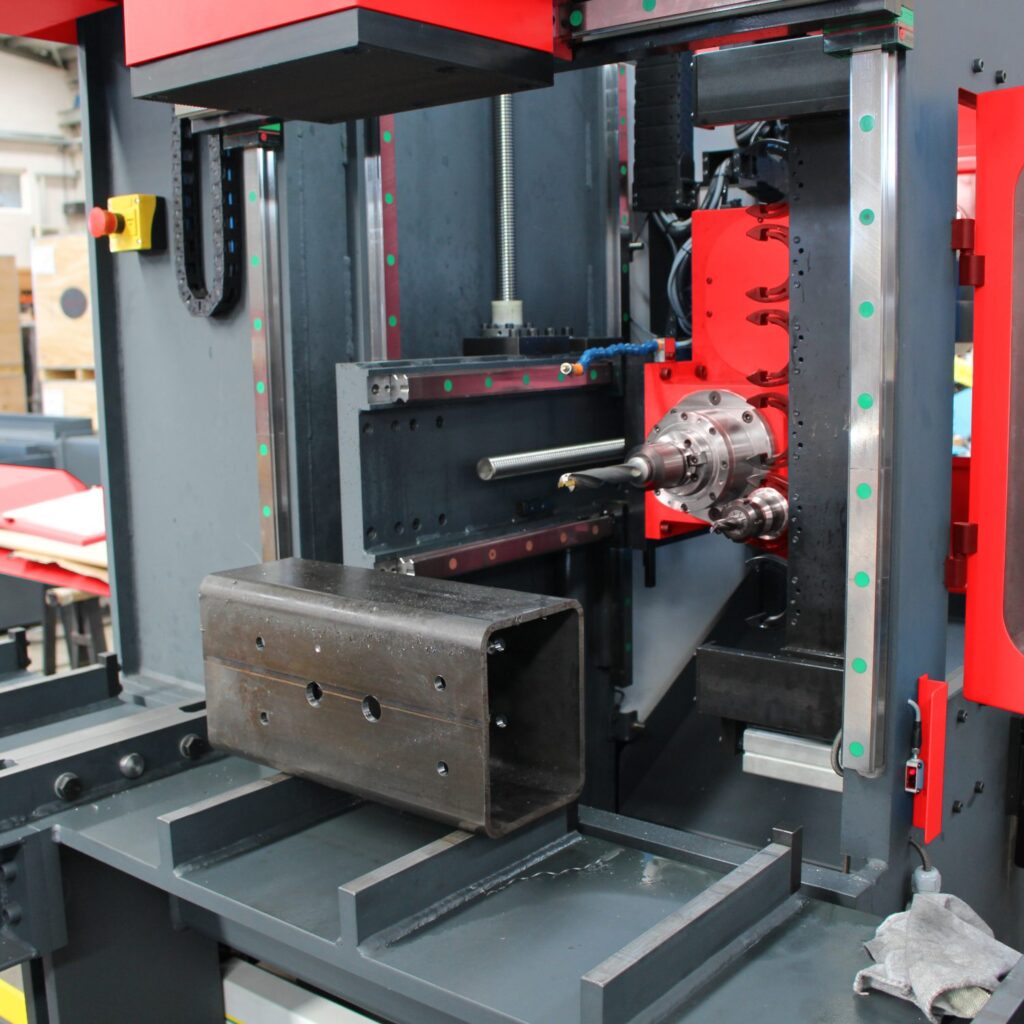
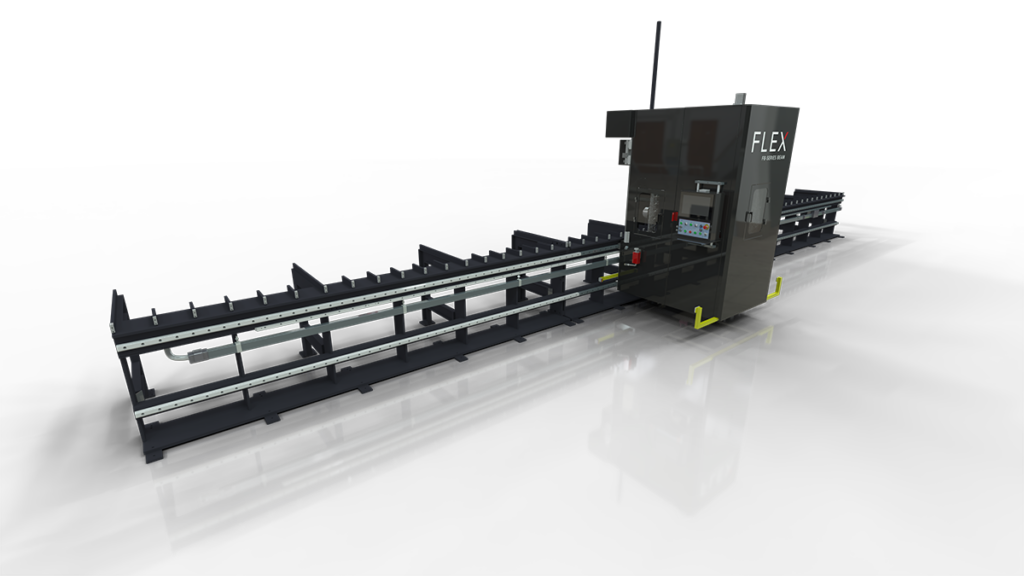
Beam drill lines accurately drill holes in a variety of steel profiles at different lengths with CNC controlled programming.
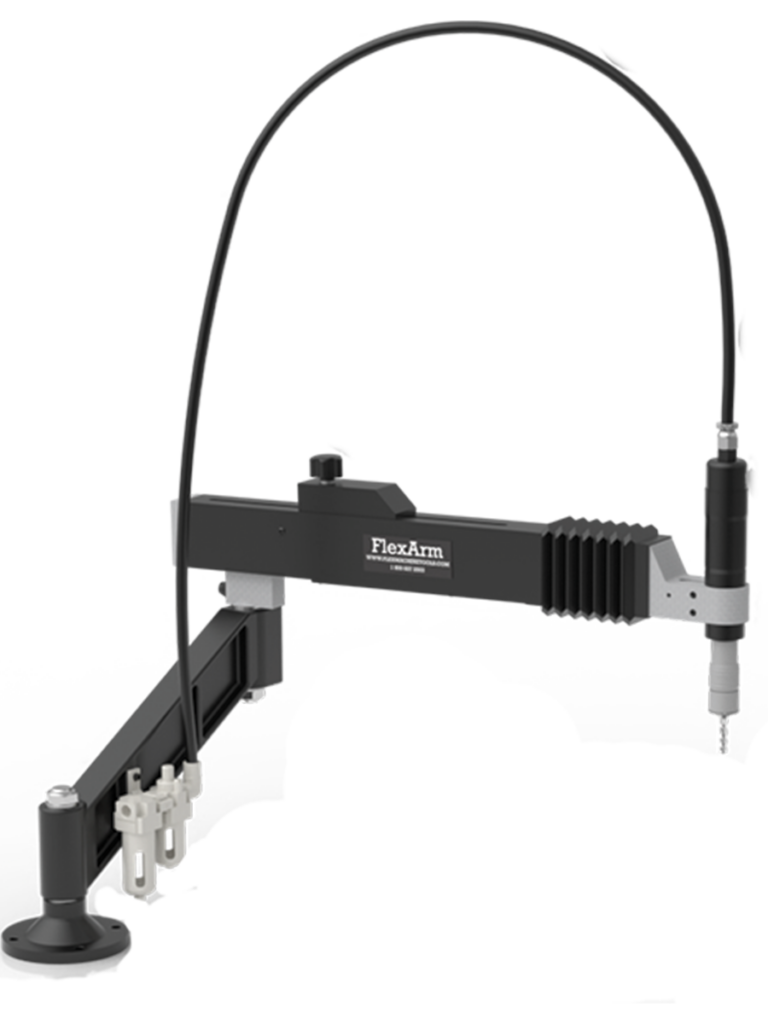
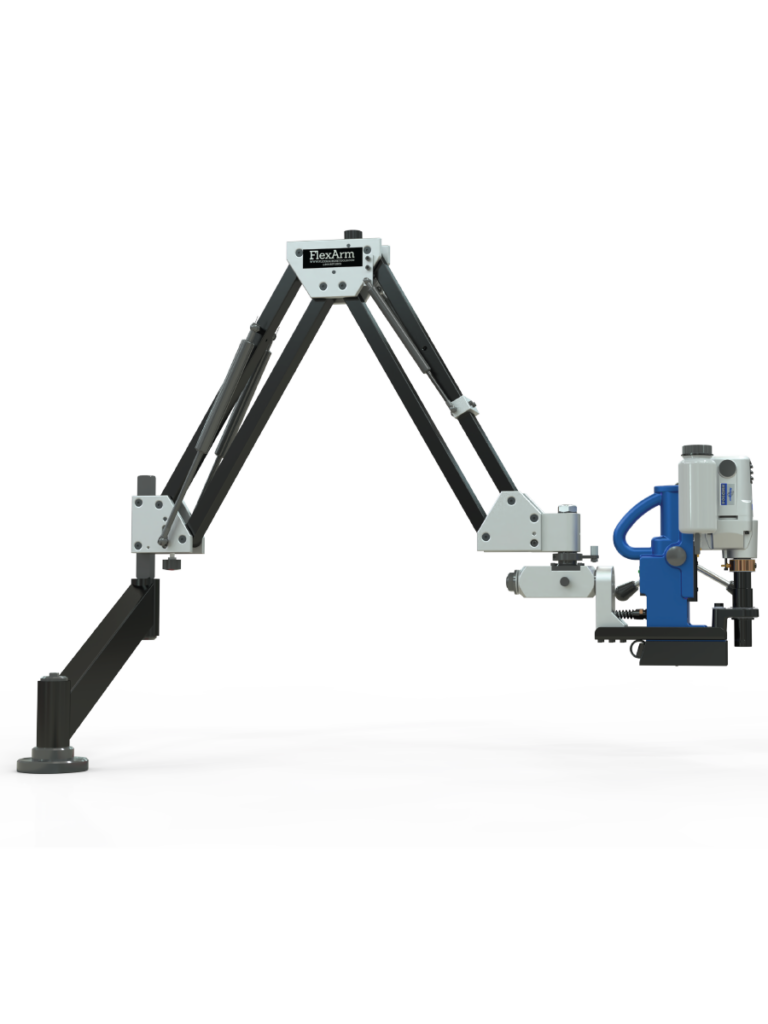
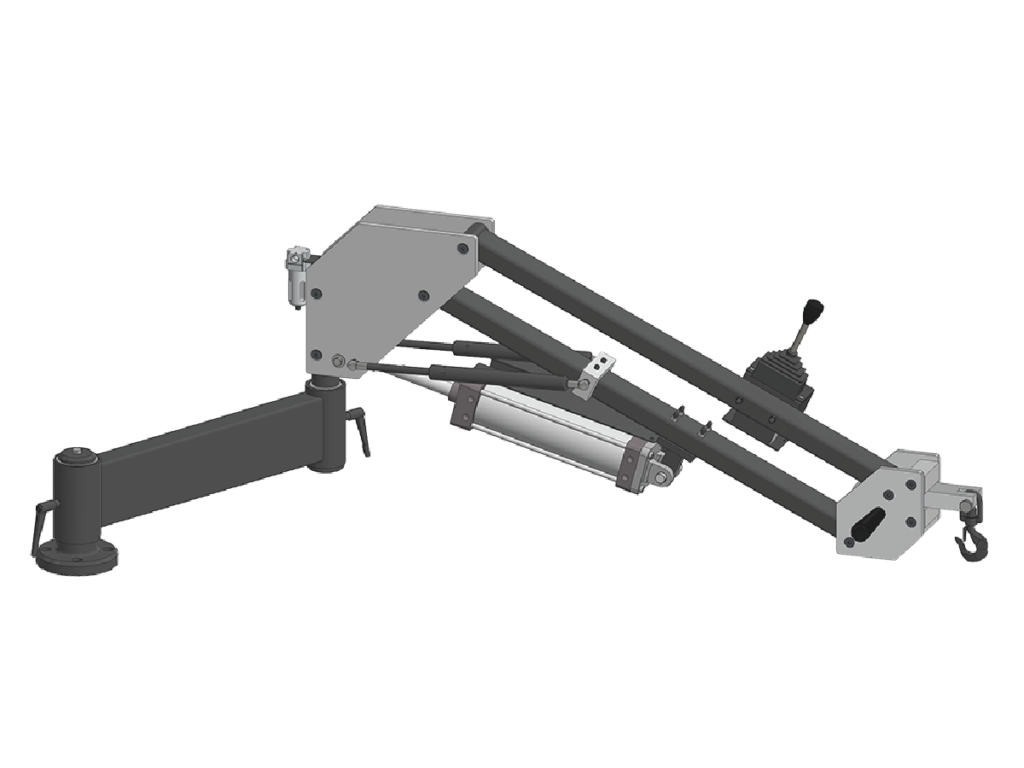
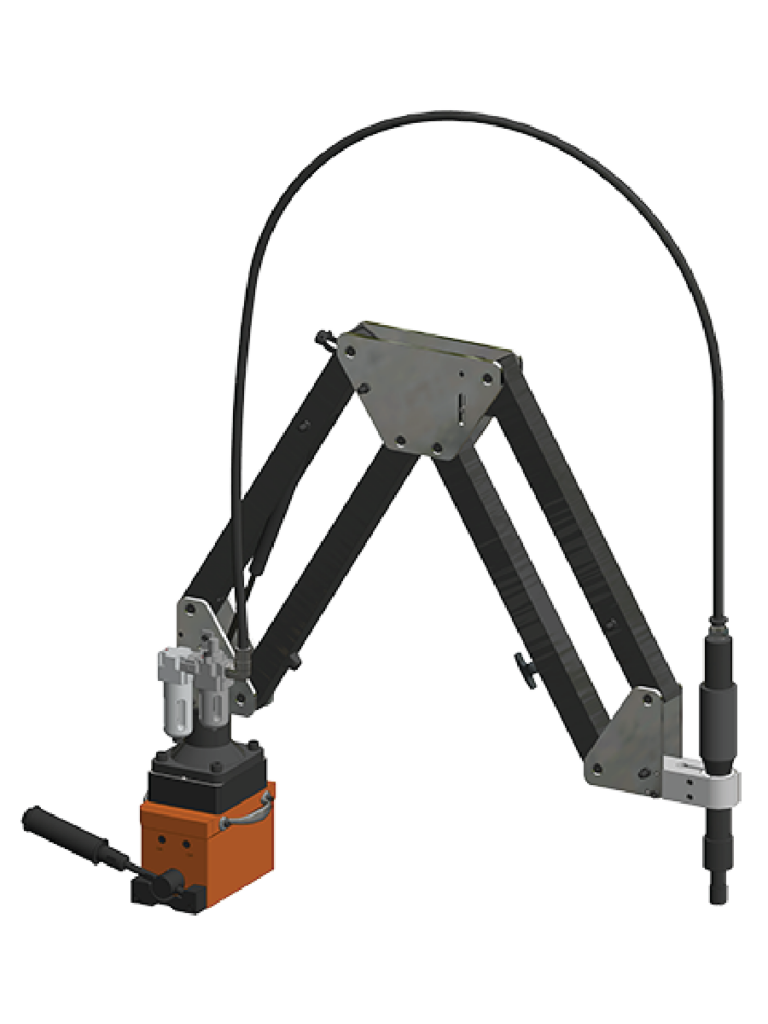
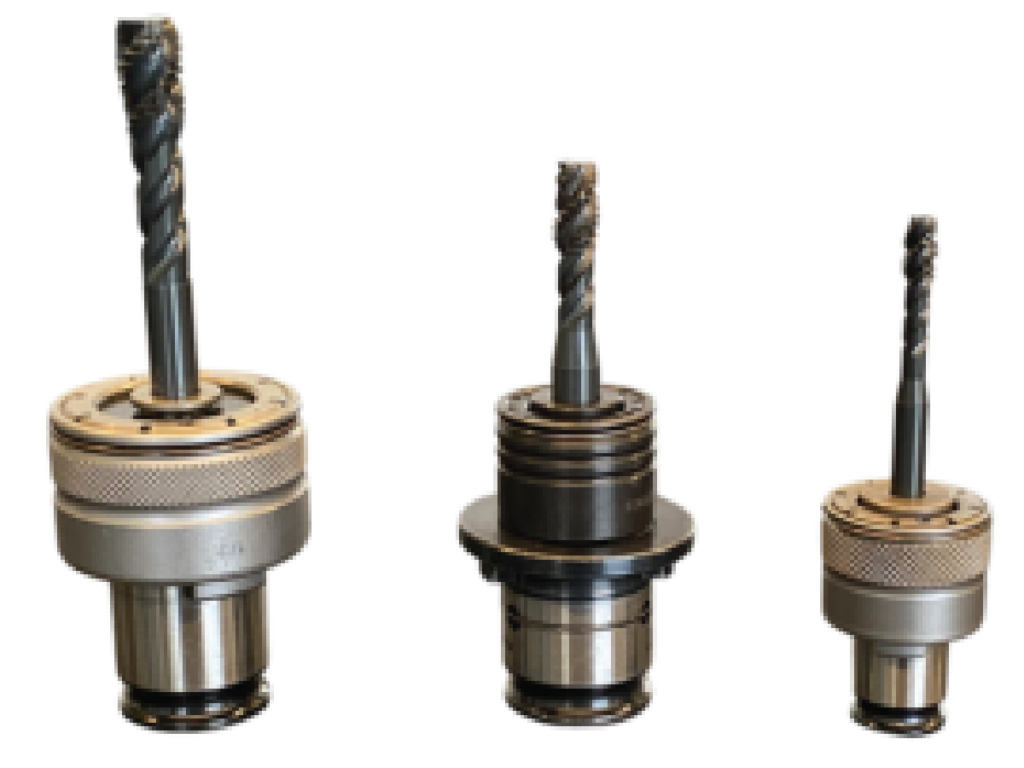
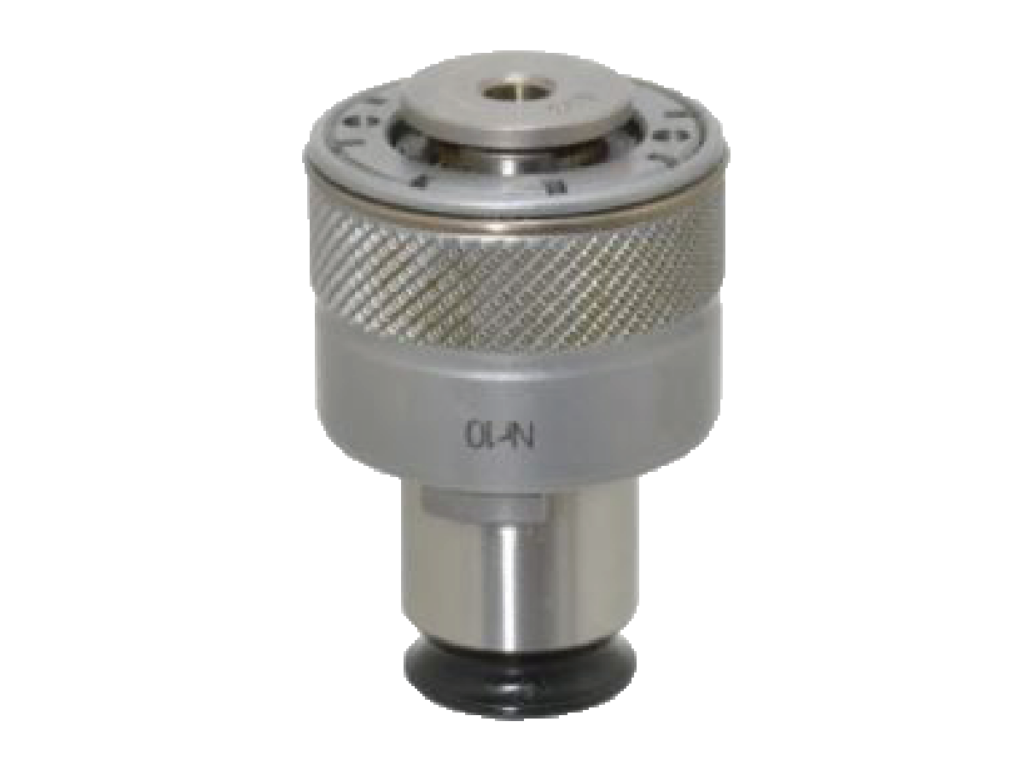
FlexArm includes tapping arms, assembly arms, and ergonomic tools designed to improve productivity, reduce worker fatigue, and provide custom solutions for a variety of applications.
If you like our Flex Swag. We now have a live store where you can purchase our FlexSwag
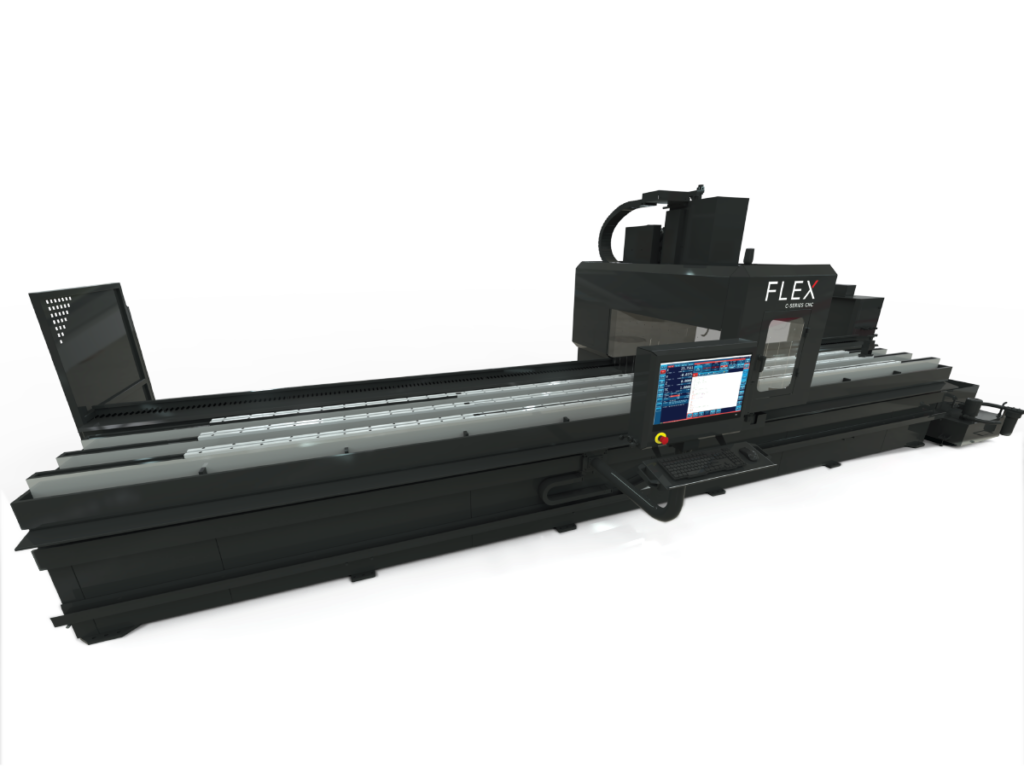
Tube lasers are powerful and efficient machines known for precise cutting of tubes and various long materials. However, their high price and specialization often make them impractical for shops with lower volumes or diverse processing needs. If you’re exploring affordable alternatives to tube lasers, the FlexCNC (long-bed vertical machining center) stands out as a versatile, cost-effective solution.
*subject to credit approval*
Flex Machine Tools has acquired TARUS, a 57-year-old machine tool manufacturer based in metropolitan Detroit. The acquisition became effective July 1.
Jason covers the 2D basics of IGEMS software, walking you through the essential steps to program and export a CNC file for your FlexJet Waterjet.
*subject to credit approval*
Beam drill lines accurately drill holes in a variety of steel profiles at different lengths with CNC controlled programming.
FlexArm includes tapping arms, assembly arms, and ergonomic tools designed to improve productivity, reduce worker fatigue, and provide custom solutions for a variety of applications.
If you like our Flex Swag. We now have a live store where you can purchase our FlexSwag
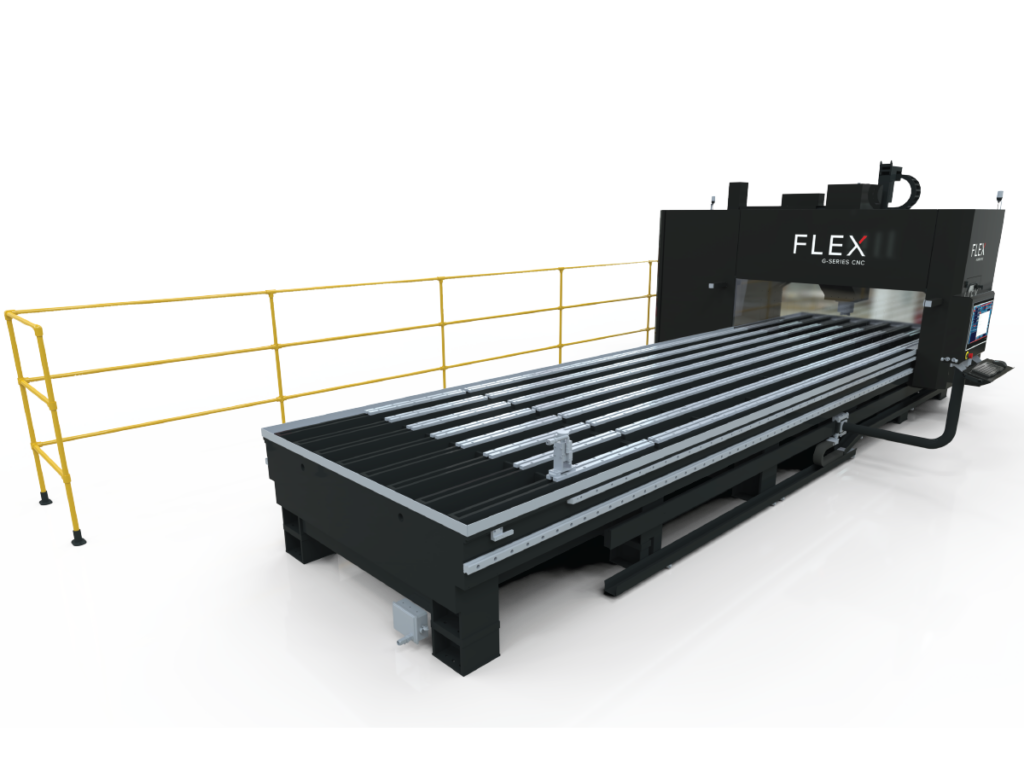
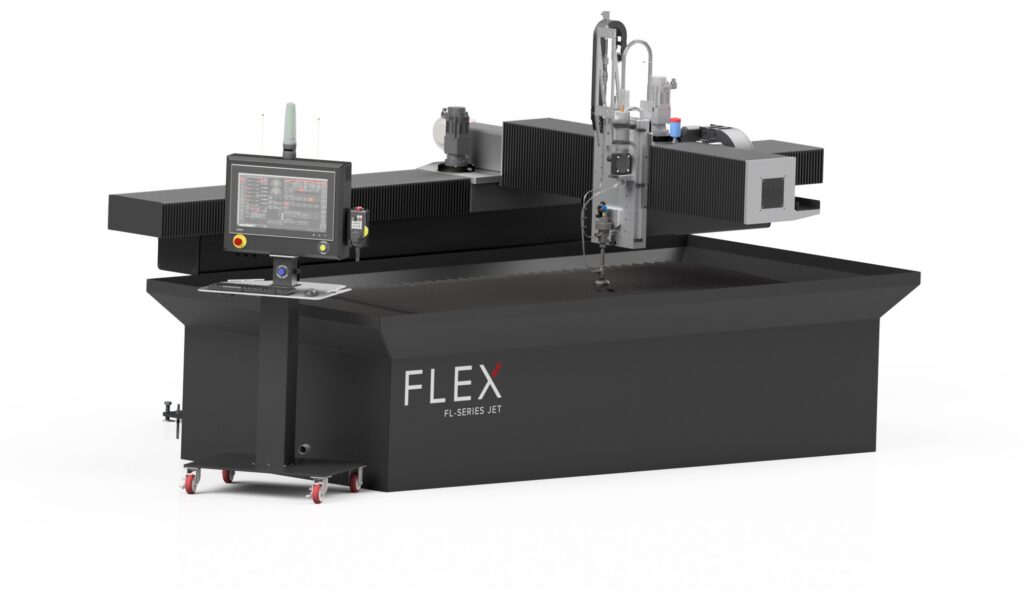
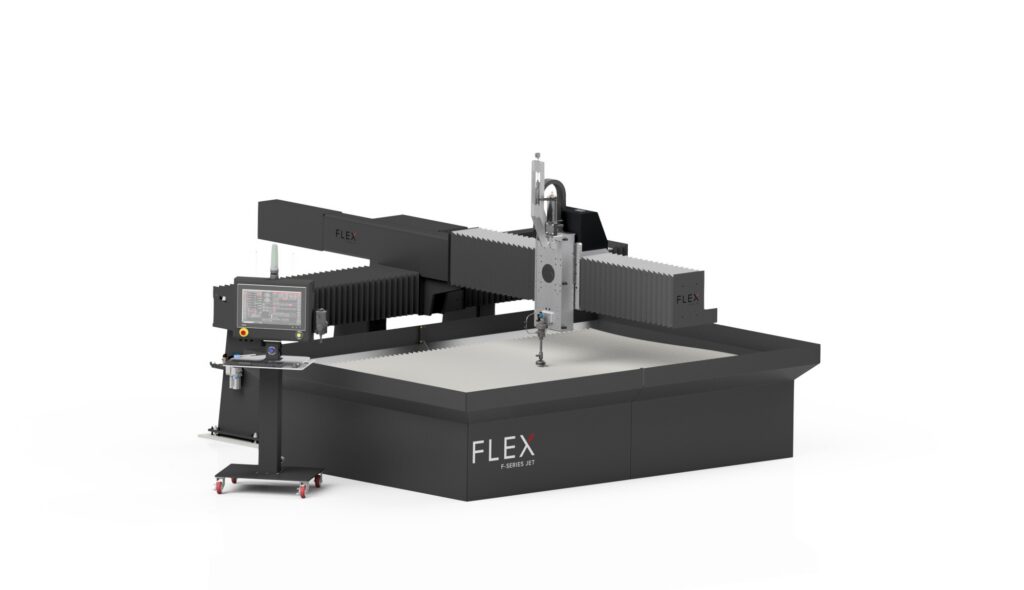
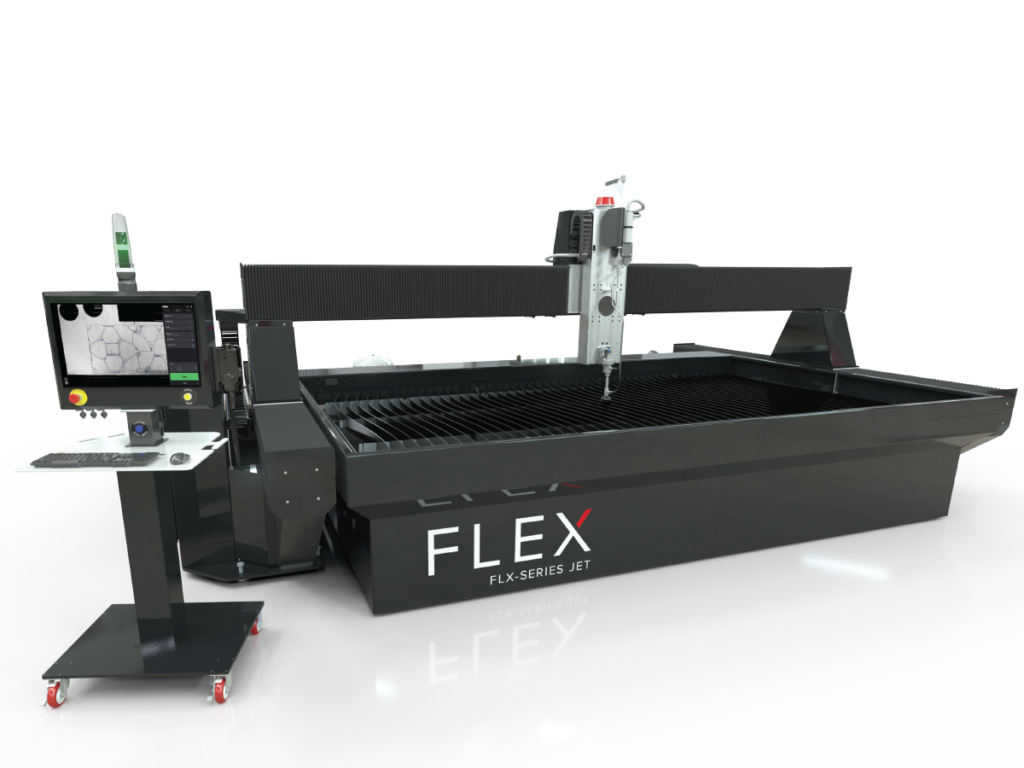
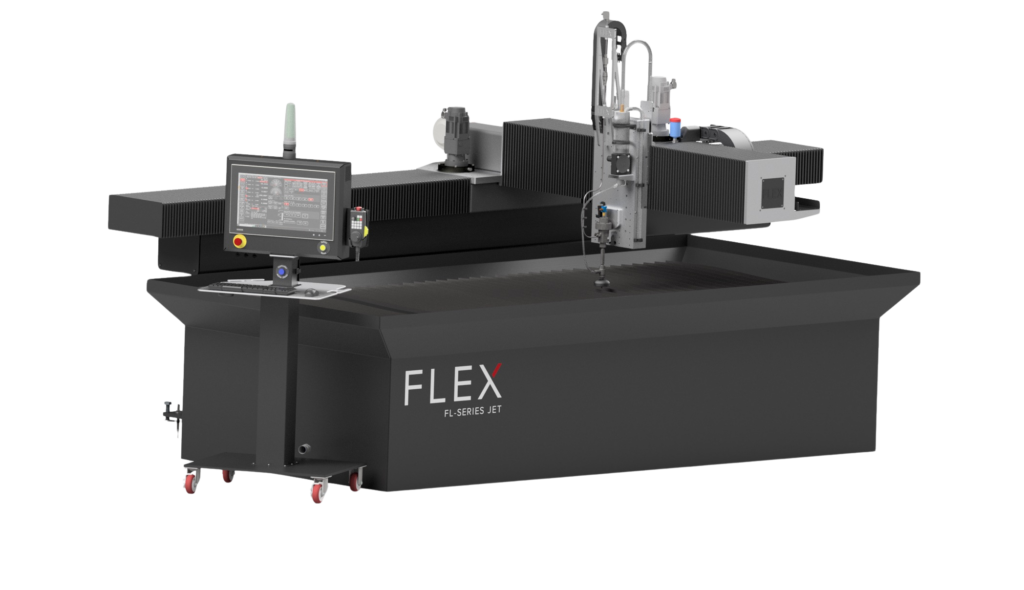
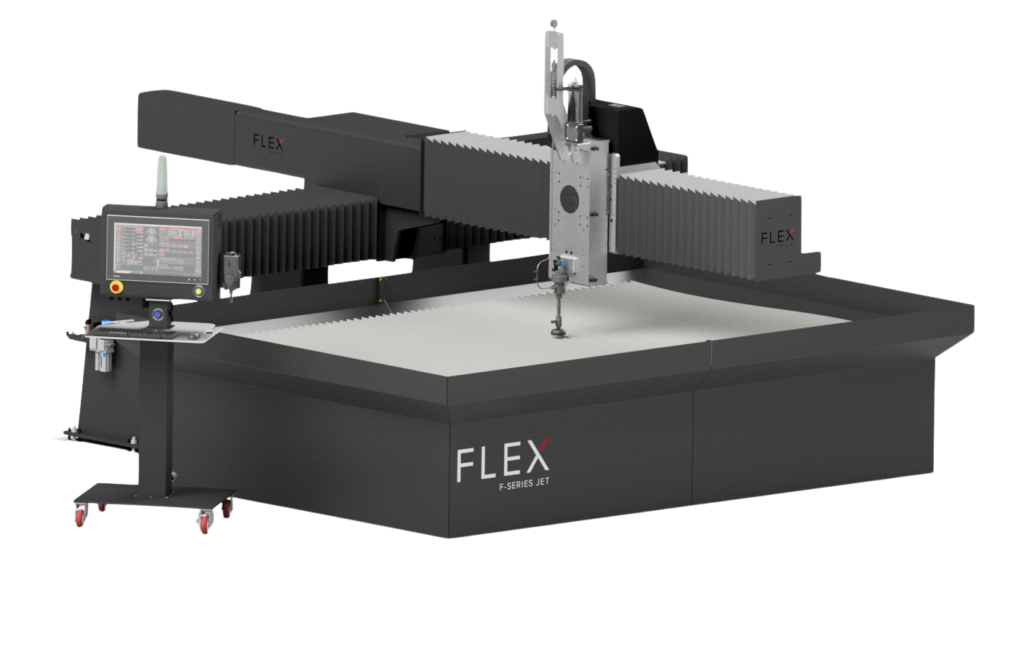
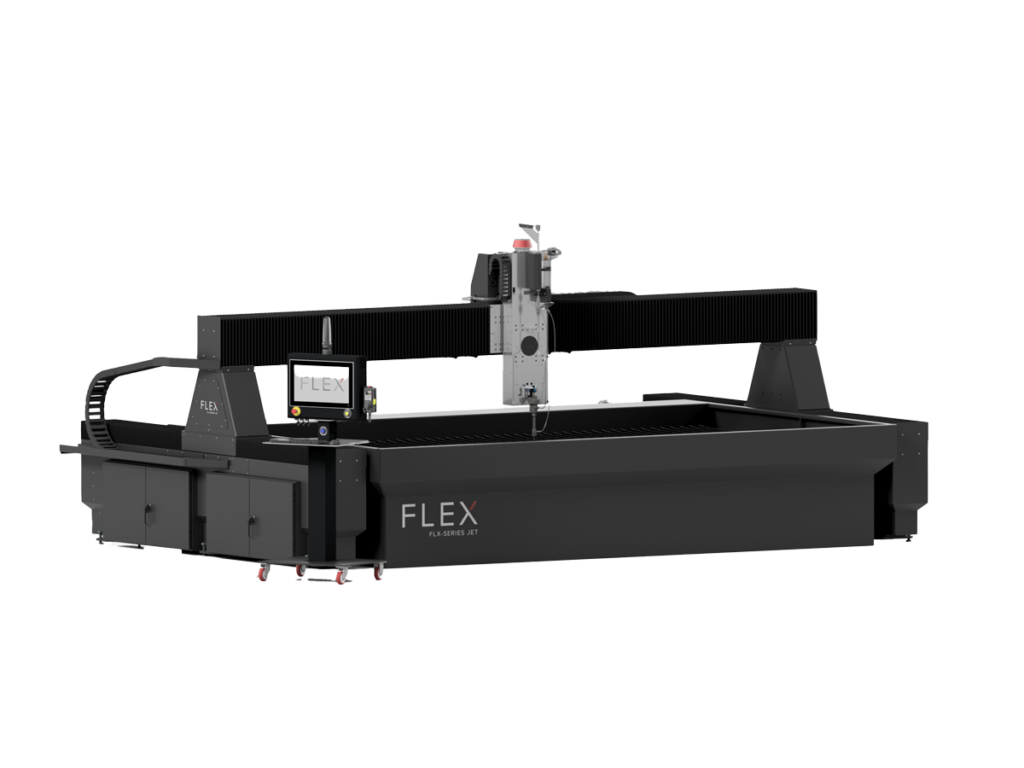
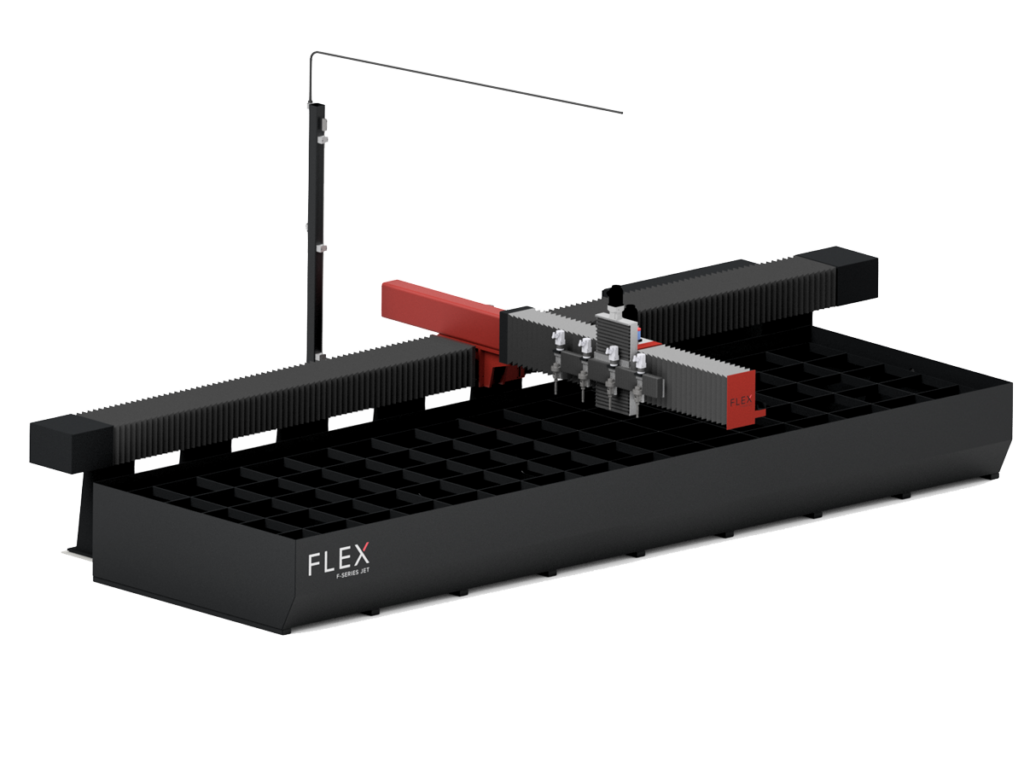
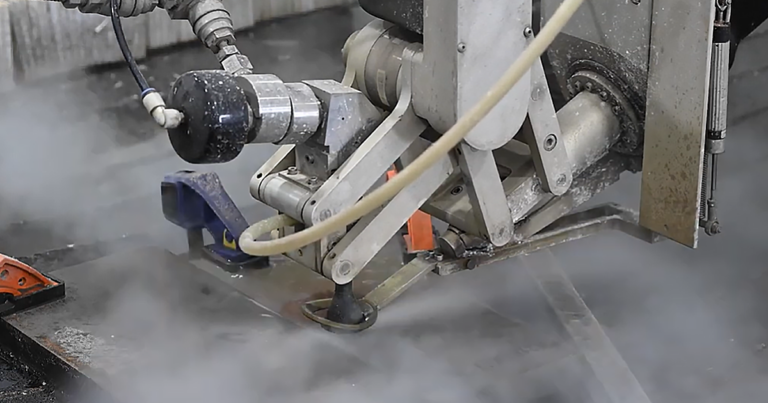
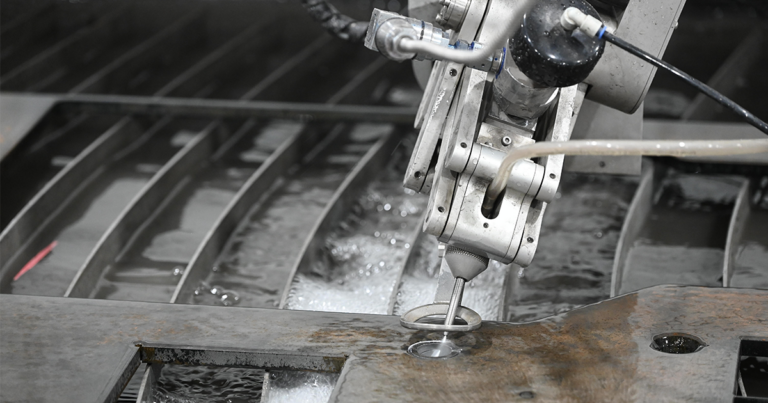
Waterjet cutting uses a high-velocity stream of water, often mixed with abrasive garnet, to cut through steel, aluminum, stone, and composites. Because it’s a cold-cutting process, there’s no heat distortion, no hardening, no heat-affected zone, just clean, precise cuts on nearly any material. FlexJet waterjet systems bring that process to your shop floor with the speed, accuracy, and USA-made construction to run it at production scale.
Multiple sizes. All built in the USA.
4 x 4 | 10 x 4
Conventional / 5-Axis
Our smallest model, priced to match.
5×6 | 10×6.5 | 15×6.5
Conventional / Tilter/5-Axis/ 4-Head
Offers the most cutting head styles and software options to match the job.
13×6.5 | 13×8
Conventional / Tilter/5-Axis/ 4-Head
Built for speed and heavy cutting demands.
5 ft increments
Conventional / Tilter/5-Axis/ 4-Head
If no standard configuration fits your floor plan or application, we build it. Custom sizes, custom setups, engineered around what you need.
REAPEATABILITY: .001″
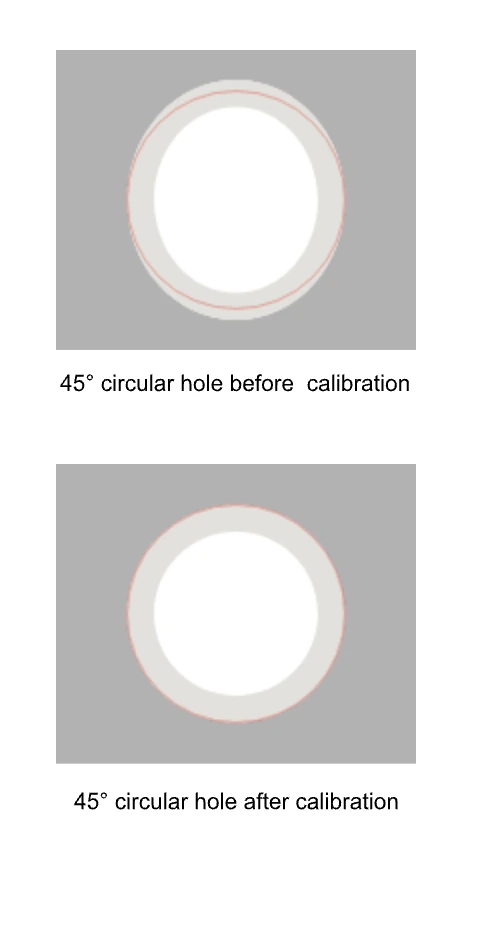
CICULARITY: <.003″
Z-Axis Travel: Up to 12"
Flex brings together cutting technology, IGEMS software, high-pressure systems, and service to help you get the most from your waterjet.
Waterjet cutting uses a high-velocity stream of water to cut material. Mixed with abrasive garnet, it can cut hard materials like steel, aluminum, stone, and composites. Because it doesn’t generate heat, it avoids distortion, hardening, and heat-affected zones, which makes it a precision cutting method.
Nearly anything, including:
FlexJet systems are built to run this full range without switching machines or processes.
Up to 12 inches, depending on the material, pump horsepower, and cutting speed. FlexJet’s high-pressure pumps and rigid machine construction hold accuracy even on thick or dense material.
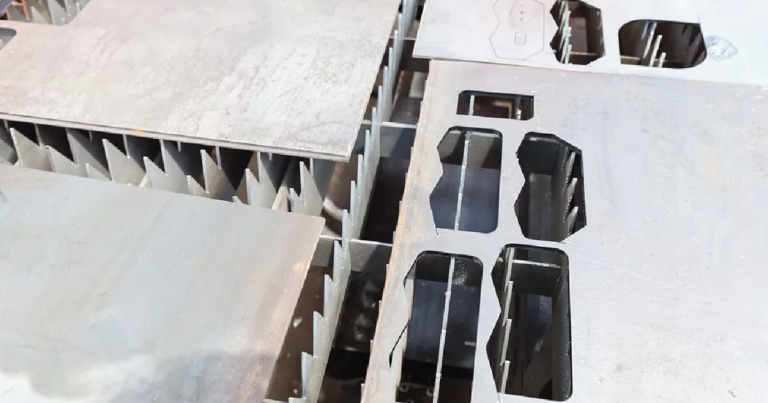
No. It’s a cold cutting process with no heat-affected zone (HAZ), which makes it well-suited for heat-sensitive materials, precision parts, and parts headed for welding or secondary machining. Parts come off a FlexJet table flat and stress-free, cutting down on rework.
Adding garnet abrasive to the water stream lets the machine cut hard materials like metal, stone, and glass. FlexJet is tuned for efficient abrasive flow to keep waste down while holding a clean edge.
Water only, no abrasive. Used for soft materials like rubber, foam, gaskets, plastics, and textiles. Many FlexJet shops run both abrasive and pure jobs on the same machine.
Waterjet advantages: no heat distortion or hardening, cuts thick material easily, cuts reflective and exotic metals, and handles many materials on one machine. Lasers can be faster on thin sheet metal, but waterjet wins on versatility and material range.
Waterjet gives tighter tolerances, cleaner edges, and no heat-affected zone. Plasma is often faster for rough cuts, but waterjet is the better call when precision and edge quality matter.
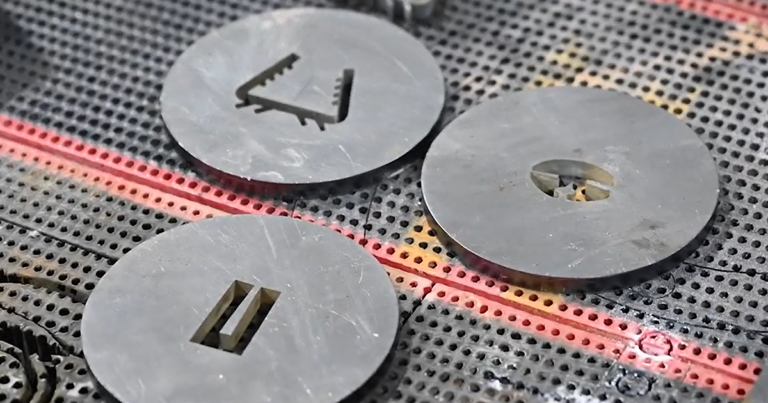
Usually not. Waterjet-cut parts typically come out with smooth edges and minimal burrs, cutting down or eliminating grinding and deburring.
About 0.5 to 1 gallon per minute. FlexJet systems are built to keep operating costs in check without giving up performance.
Yes. No hazardous fumes, no thermal emissions, and minimal waste. The garnet abrasive is an inert, natural material that can be disposed of with common waste.
Aerospace, automotive, metal fabrication, job shops, architectural and stone work, and defense manufacturing. FlexJet serves both small shops and high-mix production floors.
Yes. Modern waterjets run on CNC controls with CAD/CAM integration and automation features. FlexJet includes free training for the life of the machine at Flex headquarters, which cuts down ramp-up time for new operators.
Precision cutting with no heat distortion, the ability to cut nearly any material, a platform that handles both prototypes and production, free lifetime training at Flex headquarters, and support backed by the Flex service team.
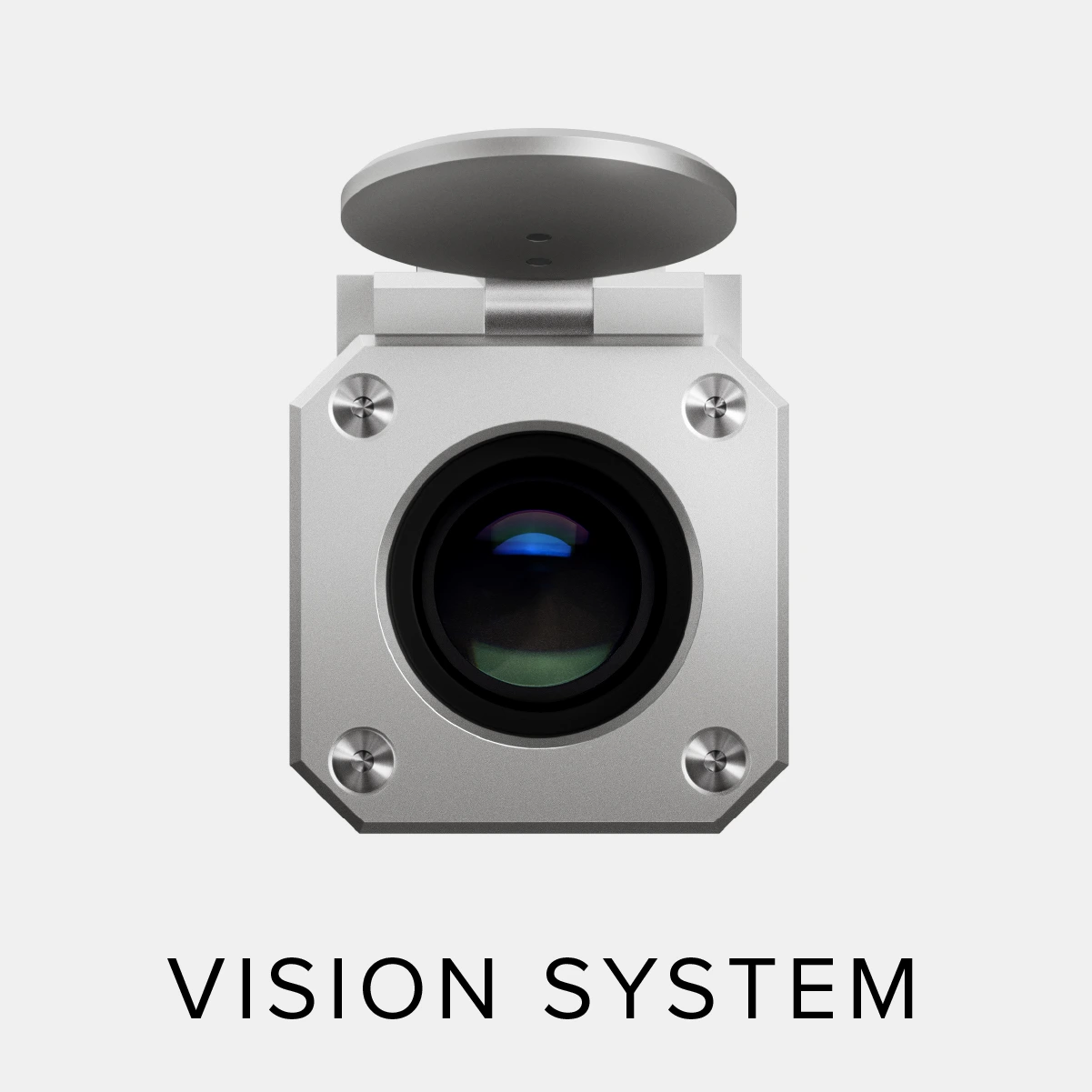
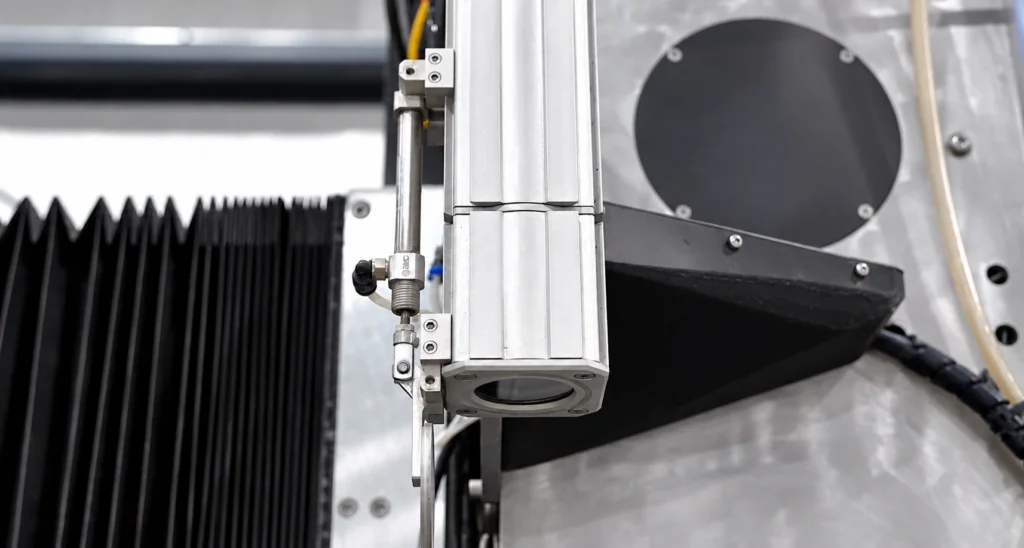
Place material anywhere on the bed. The Snapper photographs it and loads a true-to-scale image straight into the software. Drag your toolpath onto the picture and go.
See the scrap, the pre-drilled holes, the clamps, right on screen. Position parts around them instead of guessing, and waste less material doing it.
Whatever’s on the bed, the Snapper removes the guesswork from positioning material so you’re cutting faster.
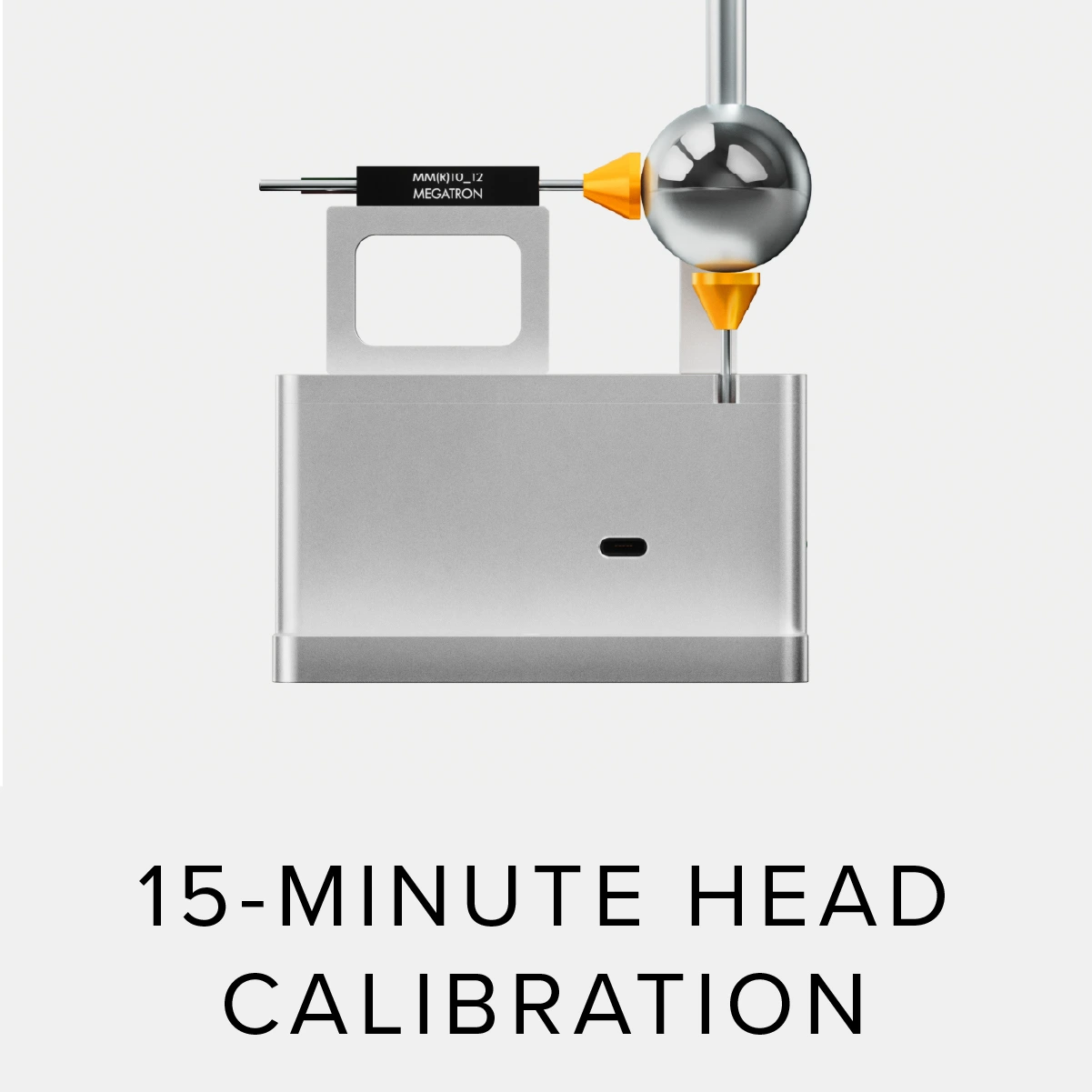
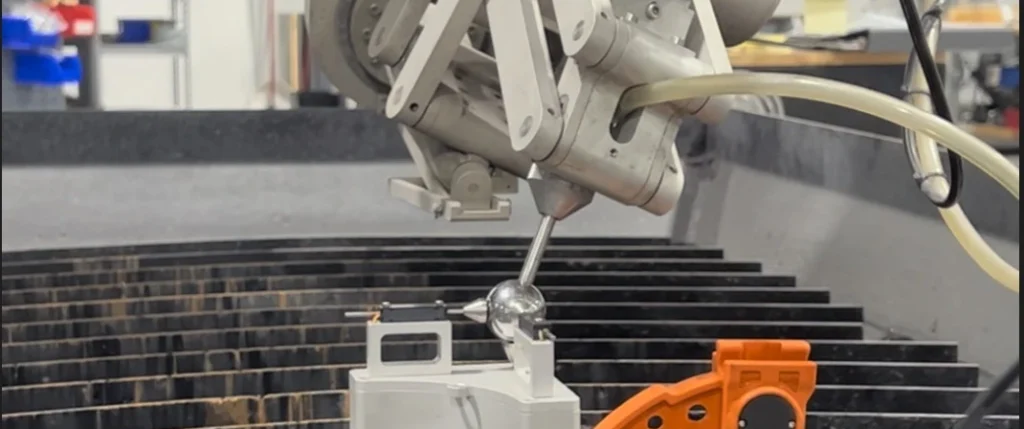
Some machines need a technician on site for a full day to recalibrate. The Rounder measures the head’s actual motion and dials it in on the spot, in about 15 minutes.
ROUND HOLES THAT ARE ACTUALLY ROUND
Small mechanical errors in the 5-axis head throw off bevel cuts. The Rounder measures it and dials it out, so bevel cuts come out true.
Comes standard with the Tilter head. No extra hardware, no guesswork.
Build toolpaths from STEP, STL, or IGES files, with 3D collision simulation before the head touches material.
Multiple heads, multiple sheets, common cutlines between parts. Less material wasted per job.
GEMS reads ORD files natively. No redrawing every part you’ve already cut.
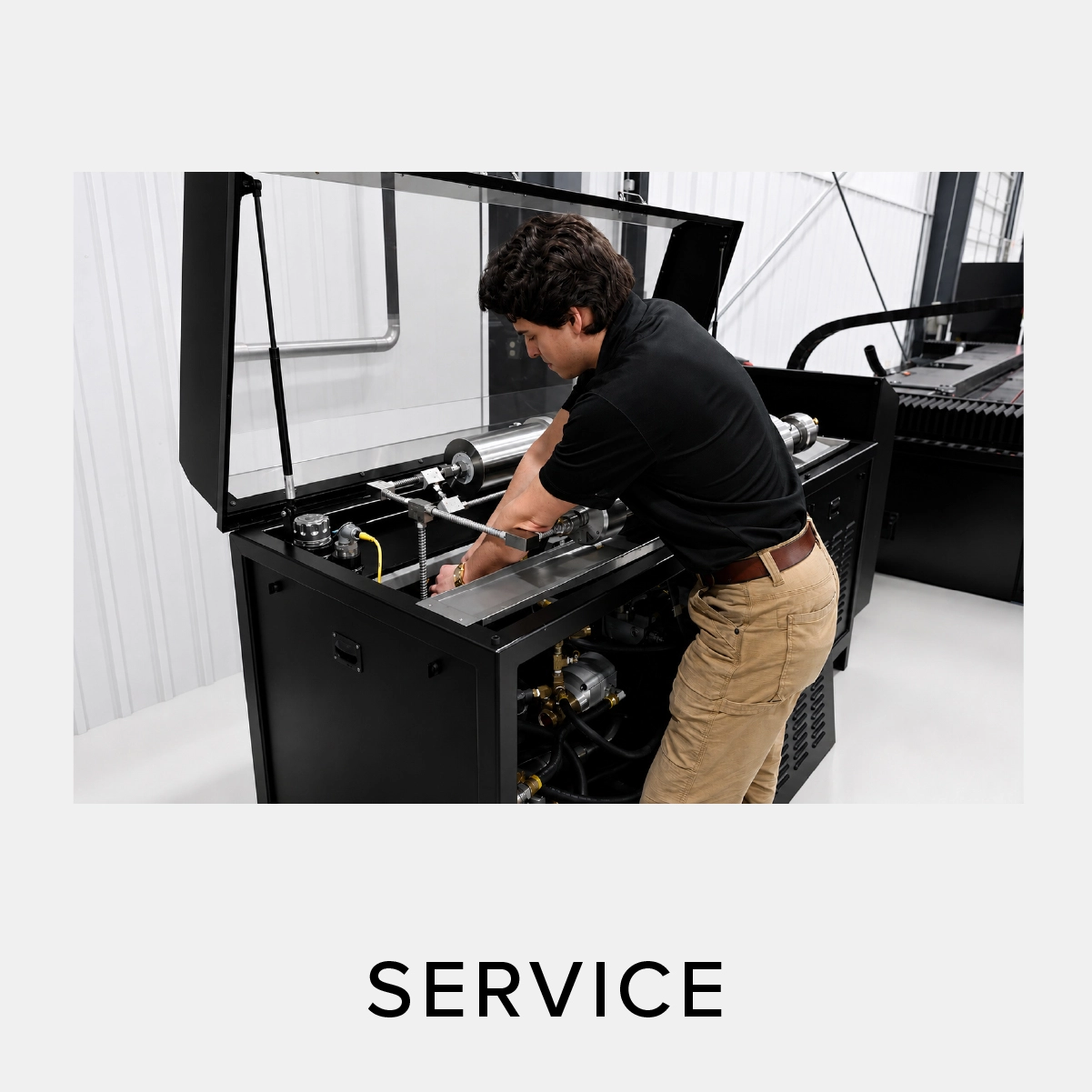
Every wear part sits where a tech can reach it. Routine maintenance takes minutes, not a half-day teardown, so the pump is back to work fast.
Size doesn’t cost you pressure. The pump delivers the flow your cutting head needs, shift after shift.
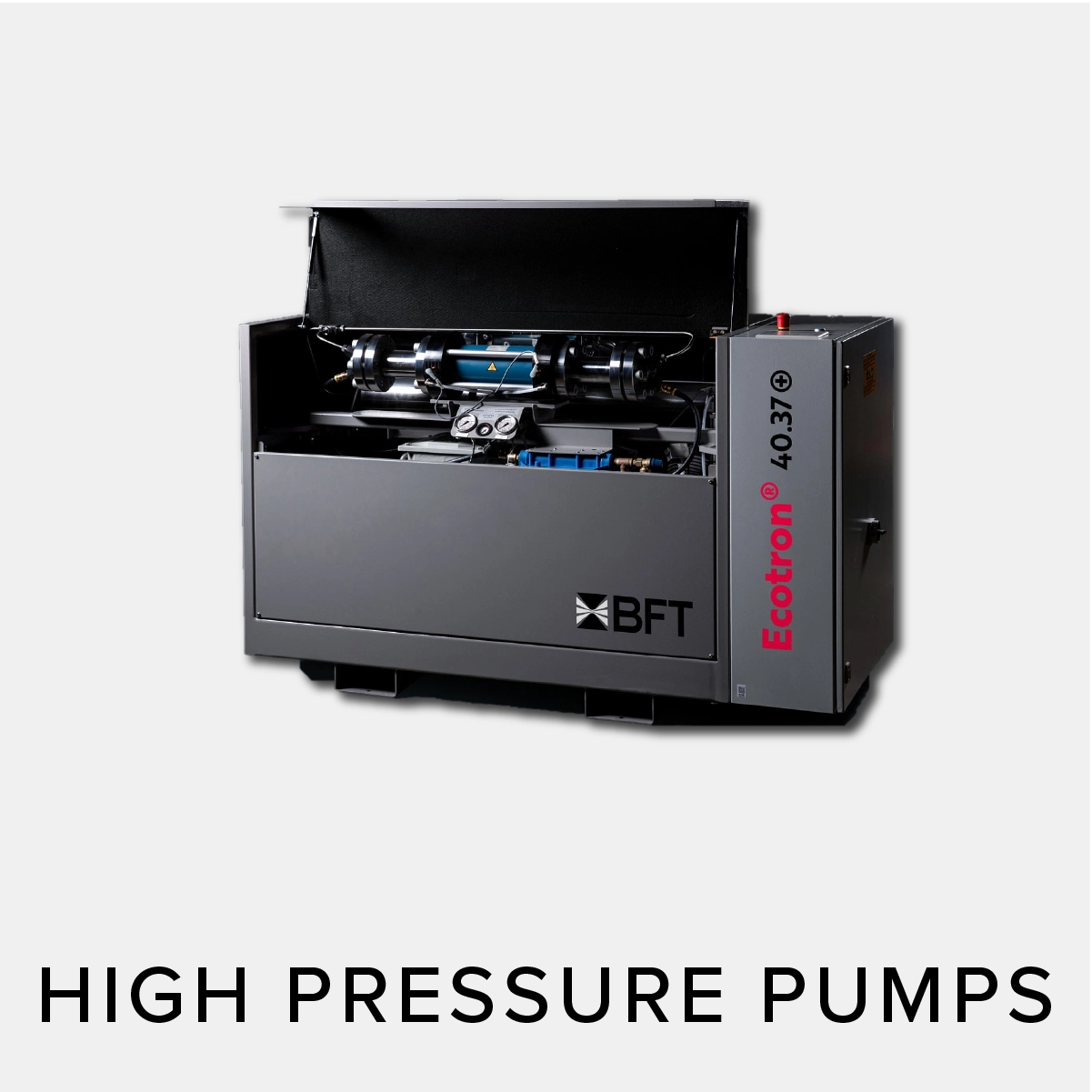
From 30 to 100 horsepower and up to 90,000 psi, across direct drive, intensifier, and servo options, there’s a configuration built for what you’re actually cutting.
VECTRON – Direct Drive
30 HP | 55,000 psi
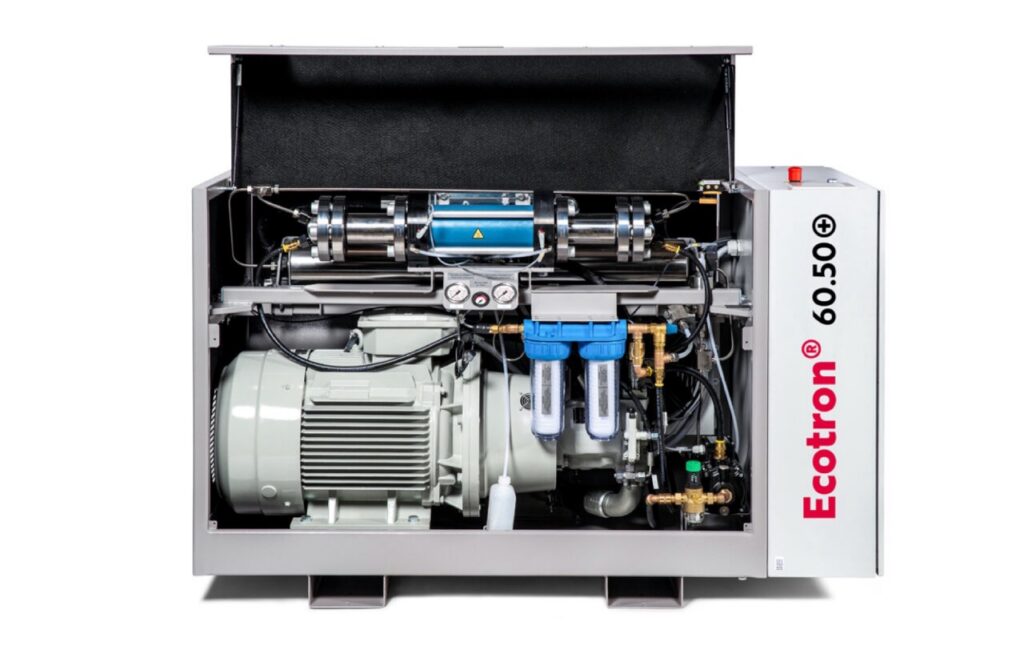
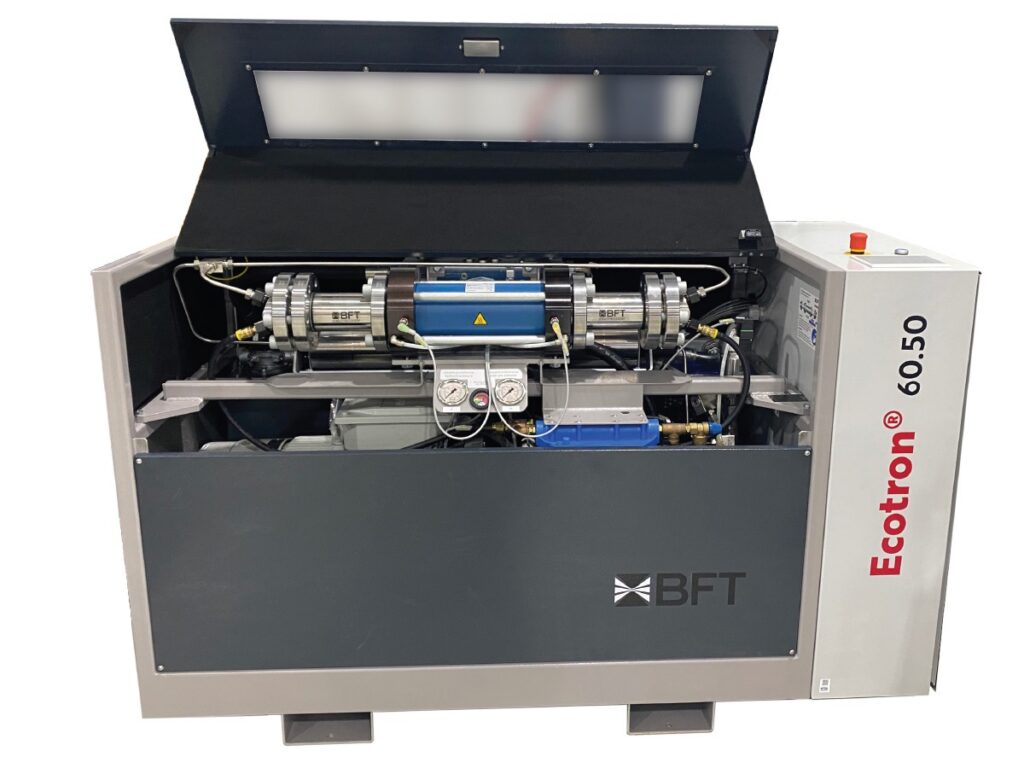
ECOTRON – Single Hydraulic Intensifier
15-60 HP | 61,000 psi
HYTRON – Dual Hydraulic Intensifier
75-100 HP | 61,000 psi
SERVOTRON – Hybrid Servo Intensifier
50-60 HP | 61,000 psi
HYPERTRON – Single Hydraulic Intensifier
75 HP | 90,000 psi
Some manufacturers phase out support the moment a new model ships. FlexJet backs every machine for life, not just the years it’s the current model.
When something breaks, we don’t stop at finding the cause. We take the problem on and follow it through until it’s actually fixed.
When something breaks, we don’t stop at finding the cause. We take the problem on and follow it through until it’s actually fixed. The machine-to-service tech ratio is 11:1.
No scrambling for parts on a machine that’s a few years old. If FlexJet built it, FlexJet supports it.