

Can a Waterjet Cut Inconel, Hastelloy, and Titanium?
Yes, and Here's Why It Works
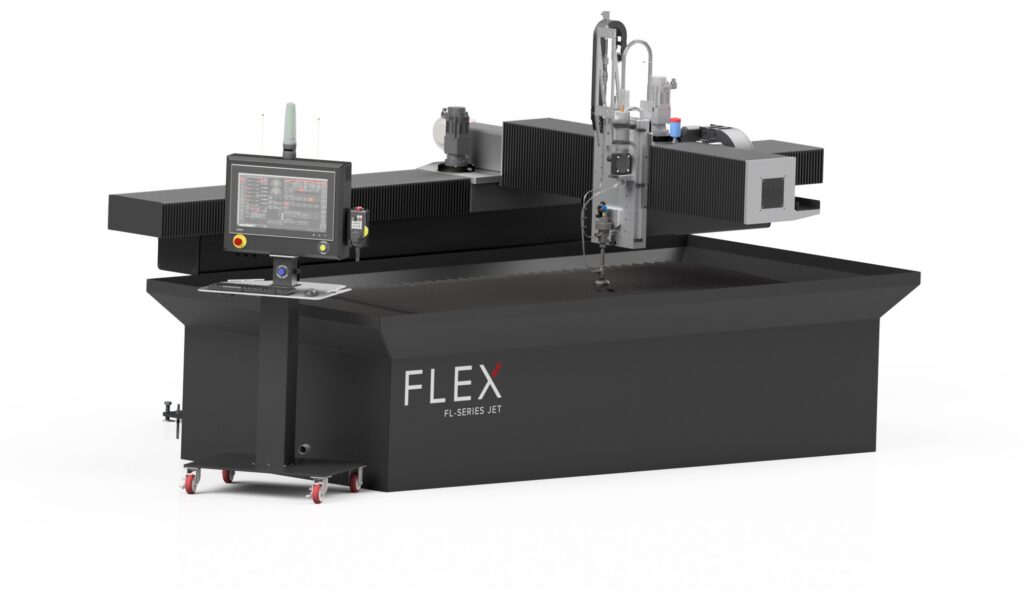
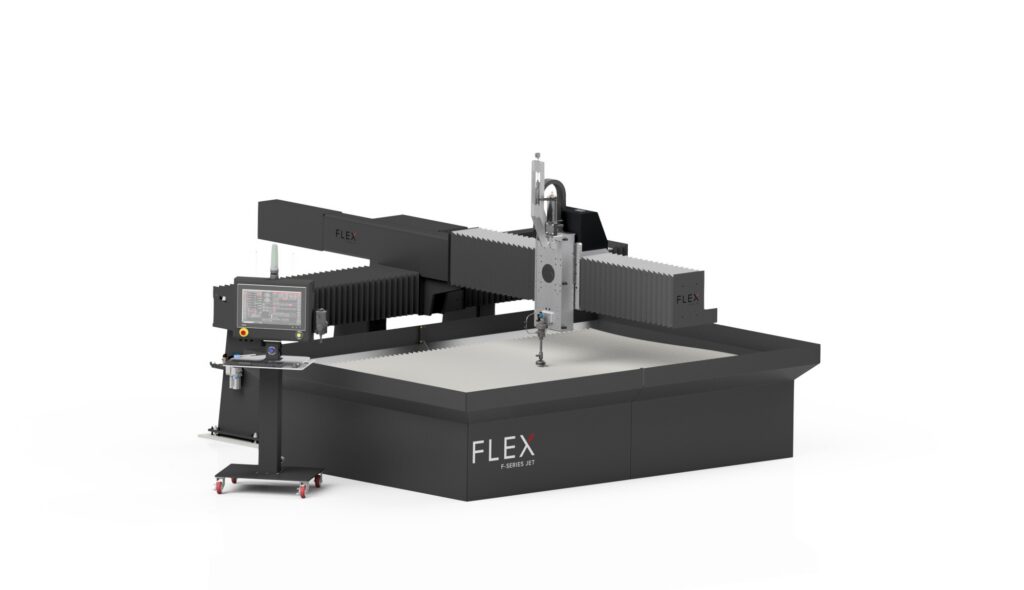
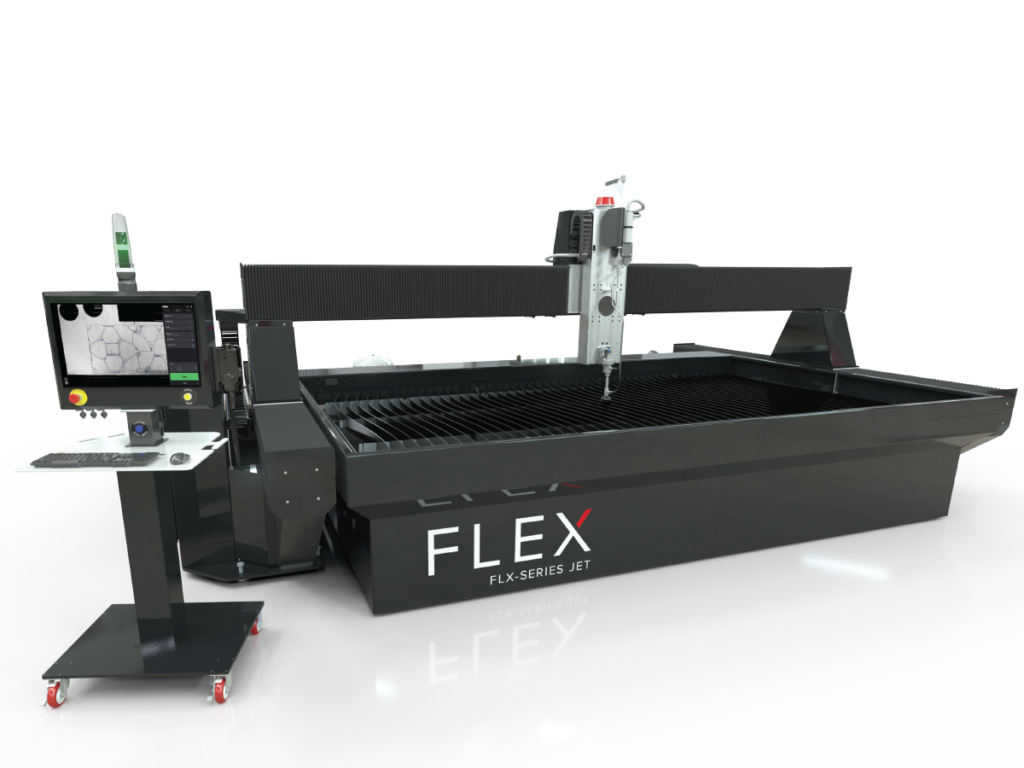
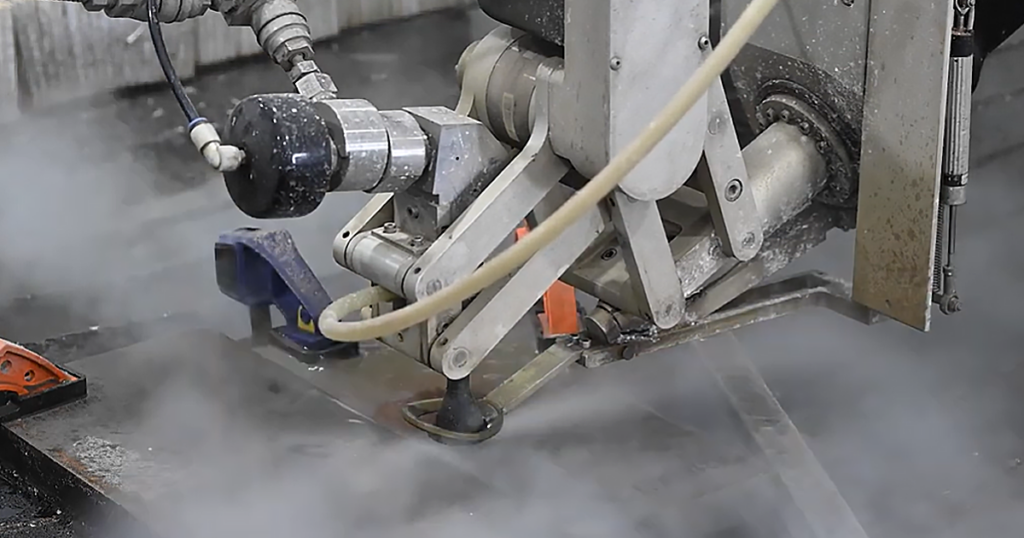
Some materials give machine shops fits. Inconel 625, Haynes 230, Hastelloy C-276, and Ti-6Al-4V titanium are known for being hard on tools, hard on lasers, and hard on patience. In a recent FlexJet demonstration, we cut through all four of these alloys with an abrasive waterjet, no tool changes and no material prep beyond the cut file.
Why Waterjet Cuts These Alloys Without a Fight
Abrasive waterjet cutting uses a high-pressure stream of water (up to 90,000PSI) mixed with garnet abrasive. There’s no cutting tool touching the part and no flame or beam heating the material. That’s the difference that matters most with nickel and titanium alloys.
No heat-affected zone (HAZ).
Lasers and plasma cutters generate enough heat at the cut edge to change the material’s grain structure. On alloys like Inconel 625 and Hastelloy C-276, that heat can cause warping, hardening at the edge, or microstructure changes that affect the part downstream. Waterjet cutting stays cold. The part coming off the table is the same metallurgically as the plate that went in. No re-machining the edge to remove a heat-affected layer; no secondary stress relief pass required for that reason.
This matters even more if the part has secondary operations coming after the cut. A hardened HAZ edge is harder on tooling during tapping, drilling, or reaming, and can lead to broken taps or chipped tools on these already tough alloys. A cold-cut waterjet edge doesn’t add that extra layer of hardness, so downstream operations run closer to normal tool life.
One process, every material.
Inconel, Haynes, Hastelloy, titanium, aluminum, steel, and stone all cut on the same machine with an abrasive garnet stream. Softer materials like rubber and foam gasket stock are cut on the same machine too, usually with pure waterjet and no abrasive added, since the water alone is enough to part the material cleanly. What changes across all of this is cut speed. Thicker material and harder alloys mean slower feed rates. Thinner sheet and softer material mean faster cuts. The process doesn’t change. You’re not swapping machines or cutting methods depending on what material shows up on the job.
No material-specific tooling.
No drill bit or end mill is wearing out against work-hardening nickel alloys. No laser lens or nozzle chosen for a specific reflectivity. It’s the same nozzle and orifice setup whether you’re cutting mild steel or Ti-6Al-4V.
What We Cut in the Demo
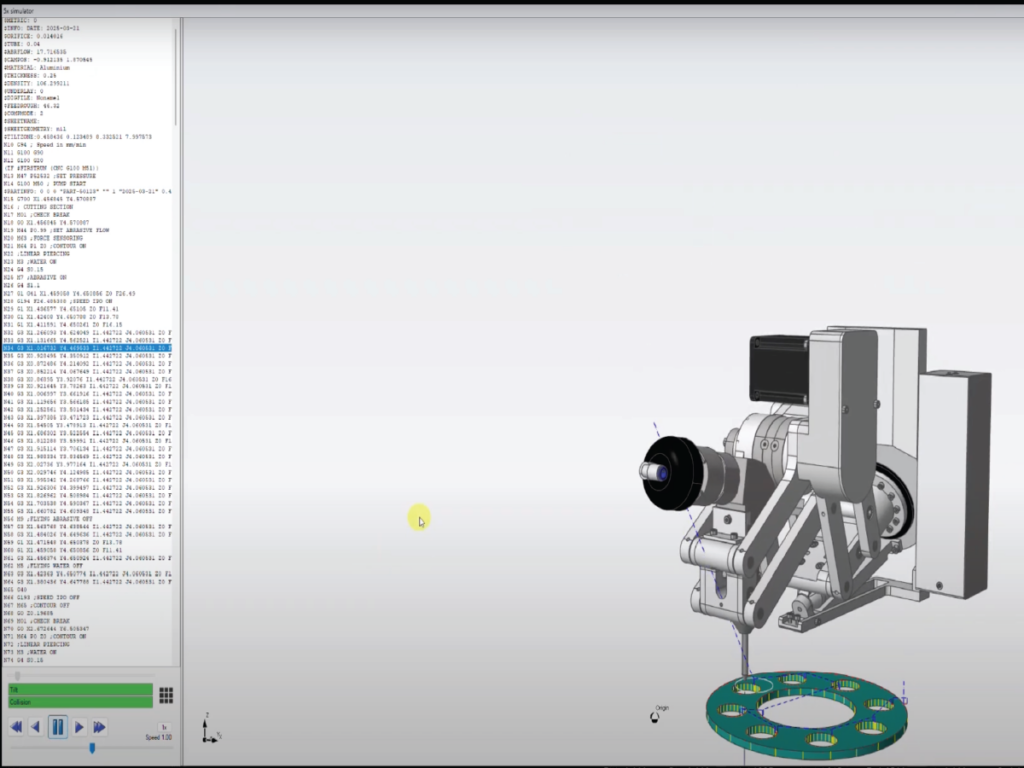
The video shows holes cut into:
- Inconel 625 — a nickel-chromium superalloy used in aerospace, marine, and chemical processing for its corrosion resistance and strength at high temperature.
- Haynes 230 — a nickel alloy built for high-temperature strength and oxidation resistance, common in gas turbine and industrial furnace components.
- Hastelloy C-276 — a nickel-molybdenum-chromium alloy prized for resisting a wide range of corrosive chemicals.
- Ti-6Al-4V titanium — the most widely used titanium alloy, common in aerospace and medical parts for its strength-to-weight ratio.
All four have a reputation for chewing up standard tooling and reacting poorly to heat input. Waterjet sidesteps both problems.
When Waterjet Makes Sense for These Materials
If a part needs a clean cut edge without a heat-affected zone, if the alloy is expensive enough that warping or scrap is costly, or if the job calls for a mix of material types without changing machines, abrasive waterjet is worth a look. Thickness and hole complexity affect cycle time, but not whether the material can be cut.
Have a part in Inconel, Hastelloy, Haynes, or titanium you need cut? Contact us to talk through cut times on the FlexJet for your specific thickness and geometry, or to get a quote.
